5 Signs Your Athens, AL, Pool Needs Pool Renovations (Not Just Repairs) in 2026
Pool owners in Athens, AL, can sometimes mistake a worn-out pool for one that just needs a quick fix, but certain warning signs point clearly toward pool renovations rather than simple patch jobs. Knowing the difference can save time, money, and frustration before another North Alabama summer arrives. This post covers five diagnostic signals that mean your pool may need full pool renovations in 2026, not just a repair call.
Athens, AL, sits in Limestone County, where long, hot summers push pools hard from May through September. That seasonal intensity, combined with clay-heavy soils that can shift under a pool shell, accelerates wear faster than many homeowners expect. Understanding what to look for can help you plan ahead and protect your investment.
Sign 1: Cracked or Flaking Pool Surfaces
Surface damage is one of the clearest renovation triggers a pool can show. Small cracks or patches of flaking plaster or concrete may look minor, but they often signal deeper structural stress underneath. In the Athens area, the combination of heat expansion in summer and soil movement after heavy rain can open surface cracks over time. If you are patching the same spots season after season, a simple repair is no longer enough. Pool renovations that include full resurfacing address the root cause rather than covering it up.
Sign 2: Chronically Unbalanced Water Chemistry
A pool that never holds proper chemical balance may have a structural problem. Good water chemistry depends on a leak-free shell and functioning equipment. When pH, alkalinity, or sanitizer levels keep swinging out of range despite regular treatment, the issue often goes deeper than the water itself. Leaks allow fresh, untreated groundwater to dilute the pool and disrupt chemistry. Athens, AL, homeowners who spend every summer fighting water balance should treat persistent chemistry problems as a renovation signal, not just a maintenance challenge. Professional assessment can determine whether leaks or deteriorating surfaces are the real cause, and in many cases pool renovations are the only lasting solution.
Sign 3: Outdated or Failing Equipment
Outdated pool equipment may cost more to run each month than a renovation would cost long-term. Older pumps, filters, and heaters from the early 2000s or earlier are far less energy-efficient than modern systems. When equipment fails repeatedly or requires constant repair calls, replacing it piecemeal rarely makes sense. A full renovation allows a coordinated upgrade so that new equipment is matched to a refurbished shell, updated plumbing, and proper circulation design. For pools in Athens and the surrounding Limestone County area, where summer electricity demand is high, an energy-efficient equipment upgrade as part of pool renovations can offer real ongoing savings.
Sign 4: Persistent Staining and Fading
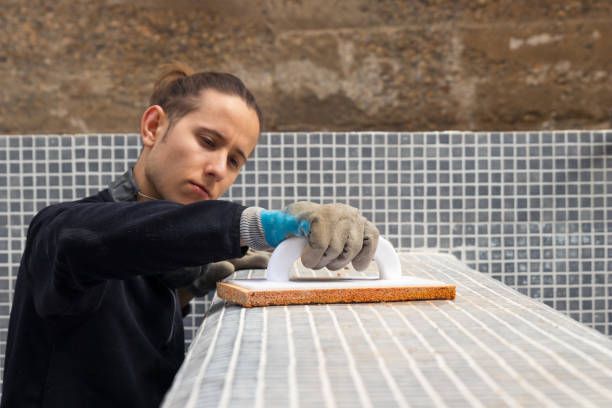
Staining and fading that will not respond to cleaning or chemical treatment often mean the surface material has broken down. Vinyl liners typically need replacement every 10 to 15 years, and fiberglass or plaster finishes have their own lifespan limits. A pool that looks perpetually dingy despite good maintenance is telling you something. Surface staining can also indicate algae embedded in micro-pores or mineral deposits from compromised plaster. At that stage, scrubbing and chemical shock are unlikely to restore the look. Pool renovations in Athens, AL, that include liner replacement or resurfacing can restore a clean, vibrant appearance and make the pool easier to keep clean going forward.
How Long Does a Pool Surface Typically Last?
Vinyl liners often last between 10 and 15 years depending on use, water chemistry, and UV exposure. Plaster and gunite surfaces may last 15 to 20 years before resurfacing becomes necessary. Fiberglass finishes can last longer but may develop osmotic blisters or gel coat fading over time. In North Alabama's climate, where pools face intense UV and seasonal temperature swings, surfaces tend to reach the end of their lifespan on the shorter end of these ranges.
Sign 5: Safety Hazards You Cannot Easily Fix
Safety issues are the most urgent renovation triggers of all. Rough or crumbling surfaces can cause skin abrasions. Broken or outdated drain covers can create entrapment risks. Deteriorated steps or pool coping that has heaved or cracked creates slip and trip hazards around the pool deck. These issues cannot always be addressed with a simple repair, as the surrounding structure often needs to be evaluated and corrected at the same time. If your pool has aging safety features or visible deck deterioration, a renovation assessment is the responsible next step before allowing anyone back in the water.
What Is the Difference Between a Pool Repair and a Pool Renovation?
A repair fixes a specific, isolated problem, such as patching a small liner tear or replacing a pump motor. A renovation addresses multiple systems or the overall condition of the pool in a coordinated way. Renovations typically include resurfacing, equipment upgrades, coping replacement, or deck work. If the same problems keep returning or several issues are present at once, pool renovations are usually the more effective and cost-efficient approach.
Ready to Get an Expert Assessment for Your Athens Pool?
If one or more of these signs sounds familiar, it may be time to have your pool professionally evaluated before the 2026 swim season begins. Valley Pools serves homeowners throughout Athens, AL, and the surrounding North Alabama region with full-service pool renovations designed to restore beauty, safety, and performance. Call (256) 536-8008 or contact the team online to request your free renovation consultation. Do not let another summer pass while your pool falls further behind, as a renovation assessment can clarify exactly what your pool needs and help you plan the right solution.